
Colorectal, Robotic & General Surgical Care

A/Prof Helen Mohan provides specialist colorectal, proctological and general surgical care in Melbourne, with particular expertise in colorectal and anal cancer, advanced cancer surgery, robotic surgery and complex colorectal conditions.
Her clinical practice spans the management of common and complex colorectal conditions, including colorectal cancer, robotic colon and rectal resections, pelvic exenteration, cytoreduction and HIPEC, proctology and pilonidal disease, including laser approaches. She also provides colonoscopy and selected general surgical procedures.
Helen is a proctor on the da Vinci Xi robotic system and is involved in the teaching and training of surgeons in robotic surgery.
Her work in advanced cancer and robotic surgery is supported by her clinical, research and academic appointments across Peter MacCallum Cancer Centre, Austin Health, the University of Melbourne and the International Medical Robotic Academy.
Robotic and minimally invasive surgery
Robotic surgery is an important area of Helen’s clinical and research practice.
Robotic surgical systems allow selected procedures to be performed through a minimally invasive approach, using highly controlled instruments and enhanced visualisation of the operative field.
Within colorectal surgery, Helen routinely uses robotic techniques for procedures involving the colon, rectum and pelvis, including cancer surgery and more complex pelvic operations. The surgical approach is determined by the procedure required and individual clinical circumstances.
Whether a robotic approach is appropriate depends on the condition being treated, the extent of surgery required and the individual clinical circumstances.
Helen’s work in robotic surgery extends beyond clinical practice to research and surgical education, including her role as Director of Clinical Research at the International Medical Robotic Academy.
Conditions and treatments
Cancer surgery forms a significant part of Helen’s clinical practice, with particular expertise in rectal cancer, advanced and recurrent colorectal cancer, pelvic exenteration and peritoneal malignancy.
Her work includes both the surgical management of primary colorectal cancers and more complex cancers involving surrounding structures, the pelvis or the peritoneum.
Colorectal & Anal Cancer
Helen provides specialist assessment and surgical management for cancers affecting the colon, rectum and anus.
Treatment varies according to the type, location and stage of cancer and may involve surgery alongside other cancer treatments as part of multidisciplinary care.
-
Colon cancer develops within the large bowel and may be identified following symptoms, bowel cancer screening or investigation with colonoscopy.
Surgery is an important component of treatment for many colon cancers and generally involves removal of the affected section of bowel together with its associated lymph nodes.
The surgical approach depends on the location and extent of the cancer. Robotic techniques are used where appropriate, unless there are specific clinical contraindications.
-
Rectal cancer requires specialised treatment planning because of the location of the rectum within the pelvis and its proximity to surrounding organs and structures.
Helen has a particular clinical and research interest in rectal cancer, including both primary and more complex disease. Each case is discussed at a multidisciplinary team meeting to consider the most appropriate treatment approach.
Treatment may involve surgery, radiotherapy and systemic therapies depending on the characteristics and stage of the cancer. Where surgery is indicated, a robotic approach is usually offered unless there are specific clinical contraindications.
-
Anal cancer is distinct from cancers affecting the colon and rectum and is managed differently.
Chemotherapy and radiotherapy are commonly used as primary treatments, while surgery may be required for selected patients, including where cancer persists or returns following initial treatment.
Helen’s practice includes the surgical management of anal cancer where operative treatment is required.
Advanced and complex colorectal cancer
A significant focus of Helen’s practice is the surgical management of advanced, recurrent and complex colorectal and pelvic malignancies.
These cancers may extend into nearby organs or structures, recur following previous treatment or require more extensive surgery than is generally needed for earlier-stage disease.
-
Locally advanced colorectal cancer may involve structures or organs surrounding the bowel, while recurrent colorectal cancer refers to disease that has returned following previous treatment.
These presentations can require complex surgical planning, particularly where previous surgery, radiotherapy or other cancer treatment has already taken place. Cases are discussed at a multidisciplinary team meeting to consider the extent of disease and the most appropriate treatment approach.
Management may involve coordinated input from several specialties as part of a broader cancer treatment plan.
-
Pelvic exenteration is a major cancer operation undertaken for selected patients with advanced or recurrent cancers involving multiple structures within the pelvis.
The operation involves removal of the cancer together with other affected organs or tissues where required to achieve an appropriate cancer resection.
-
Beyond TME (total mesorectal excision) surgery is used for rectal cancers that extend beyond the normal mesorectal excision plane and may involve adjacent organs or structures. Surgery may require removal of these structures as part of the cancer resection.
Because of the complexity of this surgery, pelvic exenteration and Beyond TME procedures are undertaken within specialist multidisciplinary cancer services.
-
Peritoneal malignancy refers to cancer affecting the lining of the abdominal cavity.
It may develop following the spread of cancers originating elsewhere in the abdomen and can also occur in association with cancers arising from the appendix.
Helen’s clinical and research interests include peritoneal malignancy and appendix cancer as part of her broader work in advanced cancer surgery.
Treatment depends on the origin, location and extent of the disease and may involve specialist cancer surgery as part of multidisciplinary care. For patients considered suitable following multidisciplinary team discussion, cytoreduction and HIPEC (hyperthermic intraperitoneal chemotherapy) may be offered.
Other colorectal and surgical services
Helen also provides specialist assessment and treatment for a broad range of benign colorectal, anorectal and general surgical conditions.
-
Helen treats conditions affecting the colon, rectum and anus, including diverticular disease, haemorrhoids, anal fissures and anal fistulas.
Treatment varies depending on the condition, its severity and whether conservative, procedural or surgical management is appropriate.
-
Diverticula are small pouches that develop within the wall of the large bowel.
Many people experience no symptoms, while others may develop abdominal pain, changes in bowel function or episodes of inflammation and infection known as diverticulitis.
Surgery may be considered in selected patients with recurrent or complicated disease. A robotic approach is commonly offered where appropriate, depending on the individual circumstances.
-
Haemorrhoids are enlarged blood vessels within or around the anus and rectum.
They can cause bleeding, discomfort, itching or prolapse. Treatment depends on the symptoms and type of haemorrhoids and may include conservative treatment, haemorrhoid banding or haemorrhoidectomy.
-
An anal fissure is a small tear in the lining of the anus and commonly causes pain and bleeding during or after bowel movements.
Treatment often begins with topical or local creams. Botox or surgery may be required for persistent fissures.
-
An anal fistula is an abnormal connection between the anal canal and the skin near the anus, often developing following an abscess or infection.
Treatment depends on the location and complexity of the fistula and its relationship to the muscles responsible for continence.
-
Pilonidal disease develops in the skin, most commonly within the cleft between the buttocks, and can cause pain, swelling, discharge or recurrent infection.
Helen provides assessment and surgical treatment for both new and recurrent pilonidal disease, including minimally invasive and laser-based approaches. She frequently offers laser-based treatment for appropriate pilonidal disease.
Treatment depends on the extent of the condition, previous treatment and the presence of active infection. Available approaches can include conservative management, traditional surgery and minimally invasive techniques, including laser-based treatment where appropriate.
-
Helen provides assessment and surgical treatment for hernias and selected general surgical conditions.
A hernia develops when tissue pushes through an area of weakness within the abdominal wall and may present as a lump, discomfort or pain.
Not all hernias require immediate surgery. The need for treatment depends on factors including the location and size of the hernia, associated symptoms and the individual clinical circumstances.
Where surgery is required, the operative approach is determined according to the type of hernia and the procedure being undertaken.
-
Helen performs colonoscopy for the investigation, diagnosis and surveillance of conditions affecting the colon and rectum.
Colonoscopy may be recommended for:
Rectal bleeding
Changes in bowel habits
Unexplained bowel symptoms
Iron deficiency or anaemia
Abnormal bowel cancer screening results
A personal history of bowel polyps
A personal or family history of colorectal cancer
Surveillance following previous colorectal disease
Further investigation or treatment can then be considered according to the findings.
Why Choose A/Prof Helen Mohan
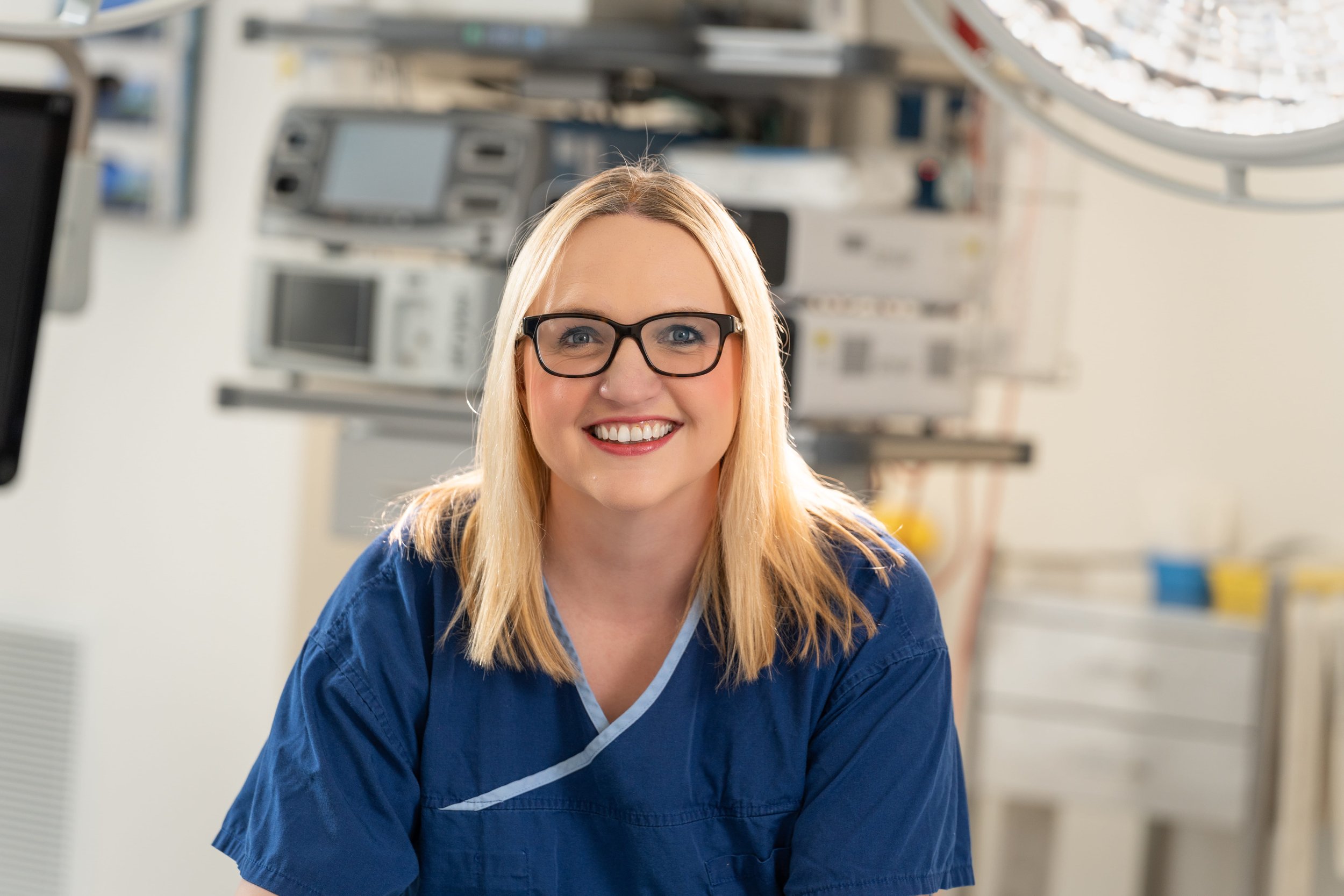
A/Prof Helen Mohan combines specialist colorectal and robotic surgical expertise with a thoughtful, patient-centred approach to care. Her practice is focused on providing clear, considered treatment tailored to each patient’s individual diagnosis, circumstances and goals.
-
Helen has a particular focus on colorectal and anal cancer, advanced cancer, peritoneal disease and complex colorectal surgery.
-
Having completed fellowship training in robotic surgery and advanced cancer at the Peter MacCallum Cancer Centre, Helen offers robotic and minimally invasive surgical approaches where appropriate.
-
Helen is an Associate Professor at the University of Melbourne and Director of Clinical Research at the International Medical Robotics Academy, with an active role in research and surgical education.
-
Helen takes the time to explain your diagnosis and treatment options clearly, helping you feel informed and involved in decisions about your care from consultation through to treatment and follow-up.
Get in touch
Enquire about an appointment with A/Prof Helen Mohan.
If you have been referred to Helen or would like to enquire about an appointment, please complete the form below and the practice team will be in touch. Alternatively, please call on 0370548221 or email us at admin@drhelenmohan.au.